
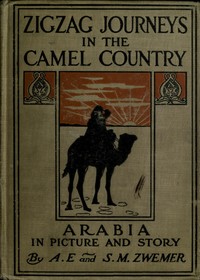
Zigzag Journeys in the Camel Country: Arabia in Picture and Story by Zwemer et al.
Forget dry history books. Zigzag Journeys in the Camel Country is a scrapbook of a life, a collection of moments and memories from the Arabian Peninsula in the early 20th century. Compiled by Samuel Zwemer, his wife Amy, and others, it’s built from their decades of experience living and traveling there.
The Story
There isn't a single plot, but a series of journeys. The book moves like a camel caravan, stopping at different points of interest. One chapter might describe the bustling markets of Muscat, with the smell of spices and the sound of haggling. The next could be a quiet evening in a Bedouin tent, sharing coffee and stories. Another might detail the challenges of crossing the Empty Quarter, where the landscape itself is the main character. Through it all, the Zwemers are your guides, pointing out not just geographical features, but the customs, humor, and faith of the people they meet. Their work as missionaries is part of the backdrop, but the foreground is always filled with human connection.
Why You Should Read It
What grabbed me was the book’s honesty and lack of pretense. These aren’t tourists passing through; this was their home. You feel their frustration with sandstorms and their joy in small victories of friendship. The photographs are incredible—not polished postcards, but snapshots of real life: a blacksmith at work, children playing, a desert sunset. It gives you a sense of place that pure text often can’t. You see the Arabia of a century ago through the eyes of people who were genuinely invested in its communities. It complicates the simple desert-and-nomads image we often have.
Final Verdict
This is a perfect pick for armchair travelers and anyone interested in cultural history before globalization smoothed out the world's edges. If you enjoy first-person accounts like Letters from Egypt or the works of Freya Stark, you'll appreciate this. It’s also great for visual learners, as the pictures tell half the story. Just be ready for a perspective from its specific time and place—it’s a historical document as much as a travelogue. For a thoughtful, personal, and visually rich trip to another era, saddle up and take this zigzag journey.
No rights are reserved for this publication. It is available for public use and education.
Nancy Lewis
1 year agoFrom the very first page, the character development leaves a lasting impact. I learned so much from this.
Emma Thompson
9 months agoMy professor recommended this, and I see why.
Kenneth Walker
1 year agoIf you enjoy this genre, the clarity of the writing makes this accessible. One of the best books I've read this year.
Robert Garcia
1 year agoClear and concise.


William Hernandez
9 months agoWhile browsing through various academic sources, the attention to detail regarding the core terminology is flawless. I'm genuinely impressed by the quality of this digital edition.